Road Trip Of a Lifetime

22 days. 16 states. 7 national parks. A grief retreat. A stolen license plate and rear vision camera. Weather ranging from 30 to 96 degrees. The road trip of a lifetime in a Porsche Boxster, using back roads wherever possible. We are talking close quarters for a long time.

My husband always wanted to take a driving trip out west and he really wanted to drive the Beartooth Highway in Montana. This was his dream trip. Bob is my soul mate and the best husband imaginable, so how could I refuse?

We’ve talked about this trip for years but never could seem to make it happen. Then, in a short period of time, we lost Bob’s mom and my dad. A grief retreat was in order and this was just the trick to get us started.

I was intrigued by the Spark of Life retreats because they were free. As a nonprofit executive, I’m always interested in how other nonprofits do what they do. Aside from that, I needed to deal with my grief. More on that in another post, later.IMG_1591.jpg
Someone said once that the planning of a trip is as much fun as the trip itself. Bob poured himself into the planning. My physical therapist warned Bob to stop every hour or so, in order for me to walk around. I didn’t want to go more than about 300 miles each day so that we could have time to check out the sights. I didn’t want to just drive through a state without stopping for an adventure.

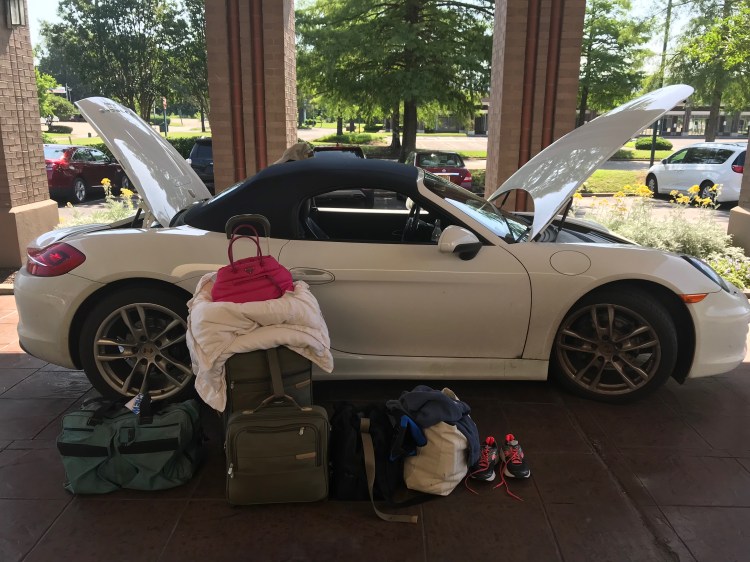
Packing was another story and my packing checklist will be available soon on my website under products and services. The Boxster has a front trunk and a rear trunk but that isn’t a lot of space. Somehow I had to get it down to two pairs of shoes and clothes for both hot and cold weather. Efficiency was key. One of my dearest friends and traveling role model, Sheila, said we should plan laundry every 4th or 5th day. My favorite cousin said stay at a hotel for two nights and let them do our laundry. Either way, this solved the problem of clothes for three weeks in a Porsche.

It was Day 2 when our license plate and rear vision camera was stolen in Missouri. We filed a police report and wrote down the officer’s name, badge number, phone number, and report number. You can’t be too careful.

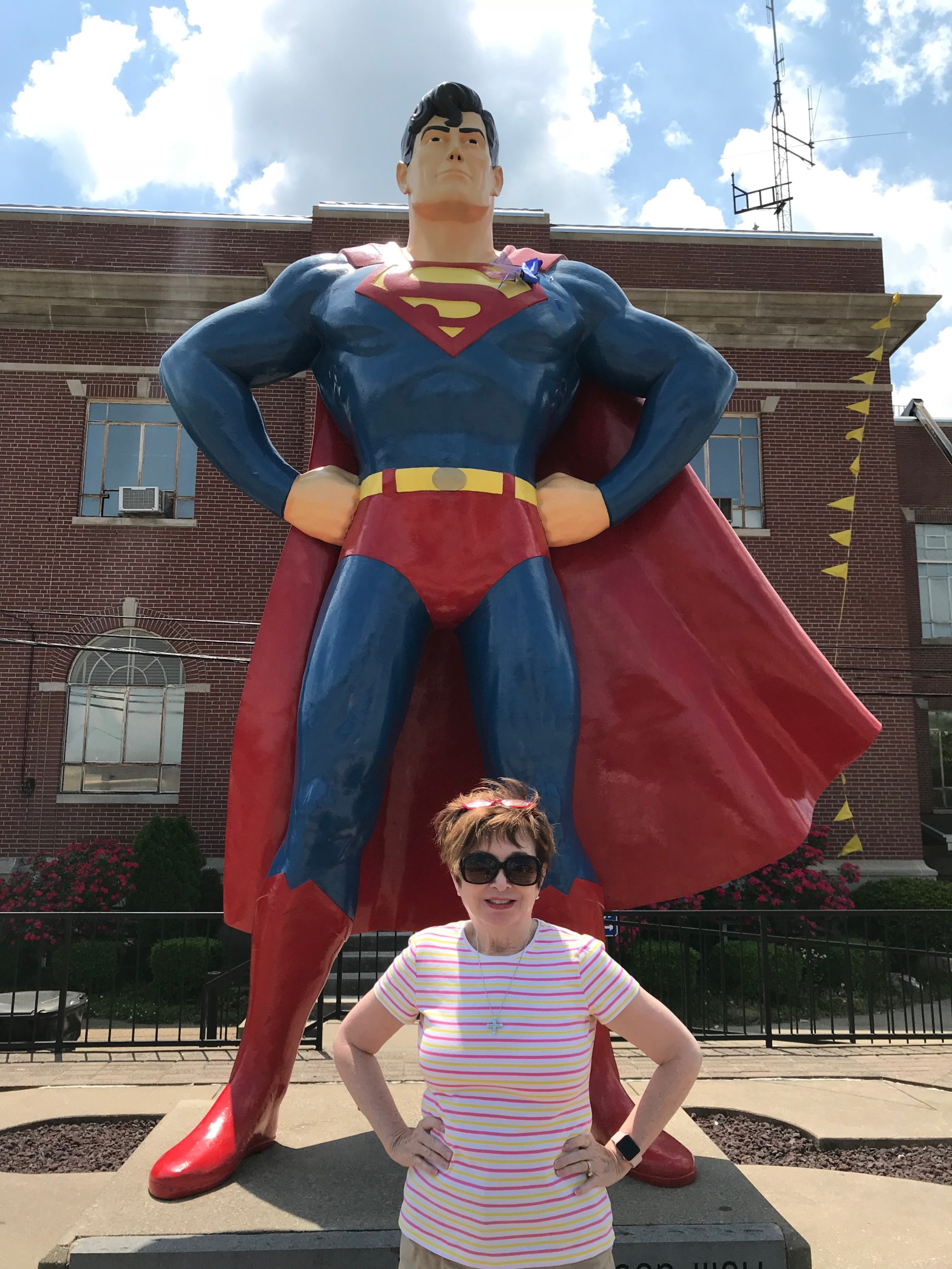
We went up the arch in St. Louis and we tugged on Superman’s cape in Metropolis, IL. We saw the faces on Mount Rushmore and hiked around Devil’s Tower. We spent two days in Yellowstone and drove to the top of Rocky Mountain National Park. We cried during the film at Big Hole National Park. We stood beside giant dinosaur bones at Dinosaur National Park. We learned we could apply to be volunteer park rangers. We ate at local restaurants and learned the stories of everyone we met.
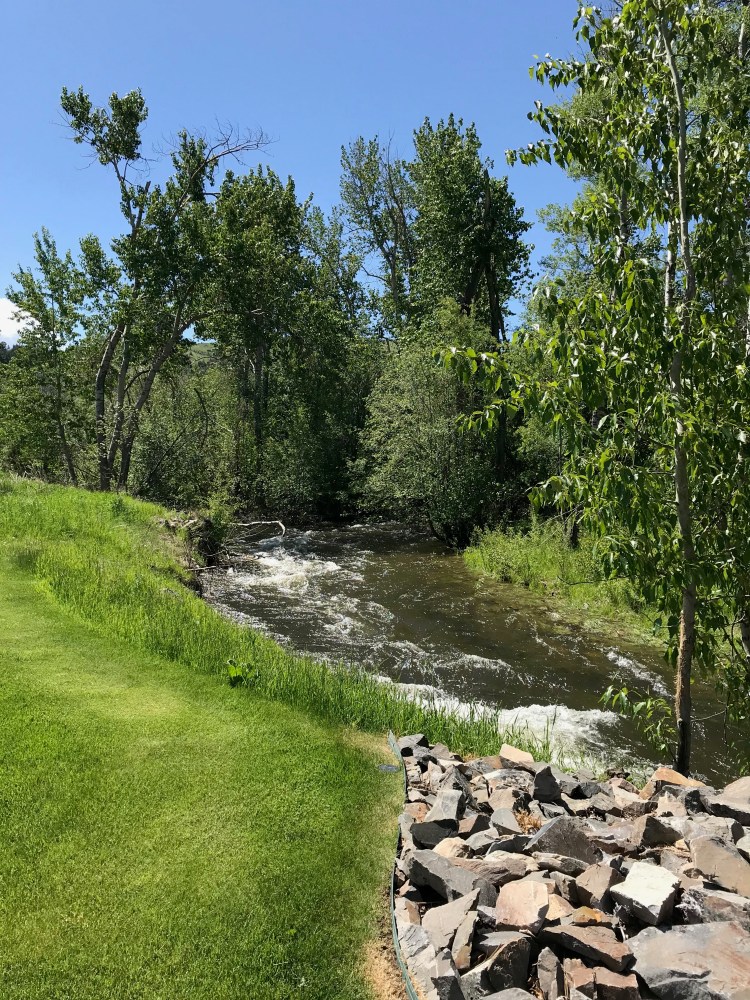
IMG_1534

By Day 20 we were ready to be home. We stepped up our pace. It was time to sleep in our own bed. I couldn’t stand the thought of dragging my luggage into a hotel one more time.

It as a bittersweet moment when we drove into our garage. We love our home and we were happy to be home, but the three weeks on the road had been heavenly.

We’re already planning for 2019.
Believing

She was three years old. He was a 15 year old neighbor who spent a lot of time in our home. We had no reason not to trust him. His name was Pete.

I was washing her hair one Sunday morning in 1984. She told me what had happened. I was livid. I called my 8 year old son in and asked him if he knew anything. “No,” he said, “but I believe her.”

I called a friend in law enforcement and he told me to call the police. He said that children this young don’t lie about this sort of thing. I called the police and they sent an officer to our home. Two more officers cane out. My daughter described the event. The officer asked me if I really wanted to pursue this, given it “was so minor,” and potentially ruin this young man’s life. I said I wasn’t concerned about his life; my concern was my daughter. If he tried this with my baby girl, who would be next?

They talked to his mother. She was livid. She blamed my daughter. Seriously? A 3 year old? She blamed my family. She vilified us throughout the neighborhood. It was brutal.

We moved shortly thereafter, not because of this. We had built a home in another area. We would have a yard and a lake. We would not longer live around the corner from a predator.

I hope he got counseling. I hope he didn’t attempt to victimize another baby. I thanked God my baby girl knew it was wrong and told me.

It takes courage to come forward.

Revising my father’s eulogy

I began the eulogy by saying the Webster Marlowe his friends in Palatka knew was not the same man I knew as my father.  I think I truly believed that until last Sunday, before I received a call from Patty.

Sunday started out like any other.  We woke up, showered, and went to choir rehearsal at Christ Church.  It should have felt good but it didn’t.  I didn’t feel right.  I wasn’t happy to be there.  It wasn’t anything particular; I knew the music and I love our choirmaster, but I just felt off.  I got the car keys from my husband and told him I would see him after church.  He was concerned, but I told him I was okay.  I just needed some time.   I needed to be.

I went out to the car and as soon as I opened the door my cell phone rang.  It was a number from Jacksonville, Florida, so I assumed it was Mayo Clinic or something.  Normally I would decline the call, but I hit the button and said hello.  The caller said she found my name when she was searching online for my father, Webster Marlowe.  Patty had been on a trip to Haiti with him and she found my blog post.  She said her plan was to build a hospital in Haiti with Daddy’s name on it.  She said she was honored to have helped him.   She talked of his hard work and his compassion.  The more she talked the harder I cried.  Then she gave me the phone number of another of Daddy’s friends, Donnie.

Donnie opened my eyes.  I knew my dad as an entrepreneur, a business owner, and as a person who was highly creative, but I never connected this with the man who seemed to be obsessed with Haiti. When I heard the story, though, I knew. It clicked.  Daddy was never one to turn down someone in need.  If a problem needed solving, Daddy would figure out how.  My mother reminded me how he once fixed an oil leak on our Cadillac by running a hose from the leak back into the engine.  My dad could fix anything.

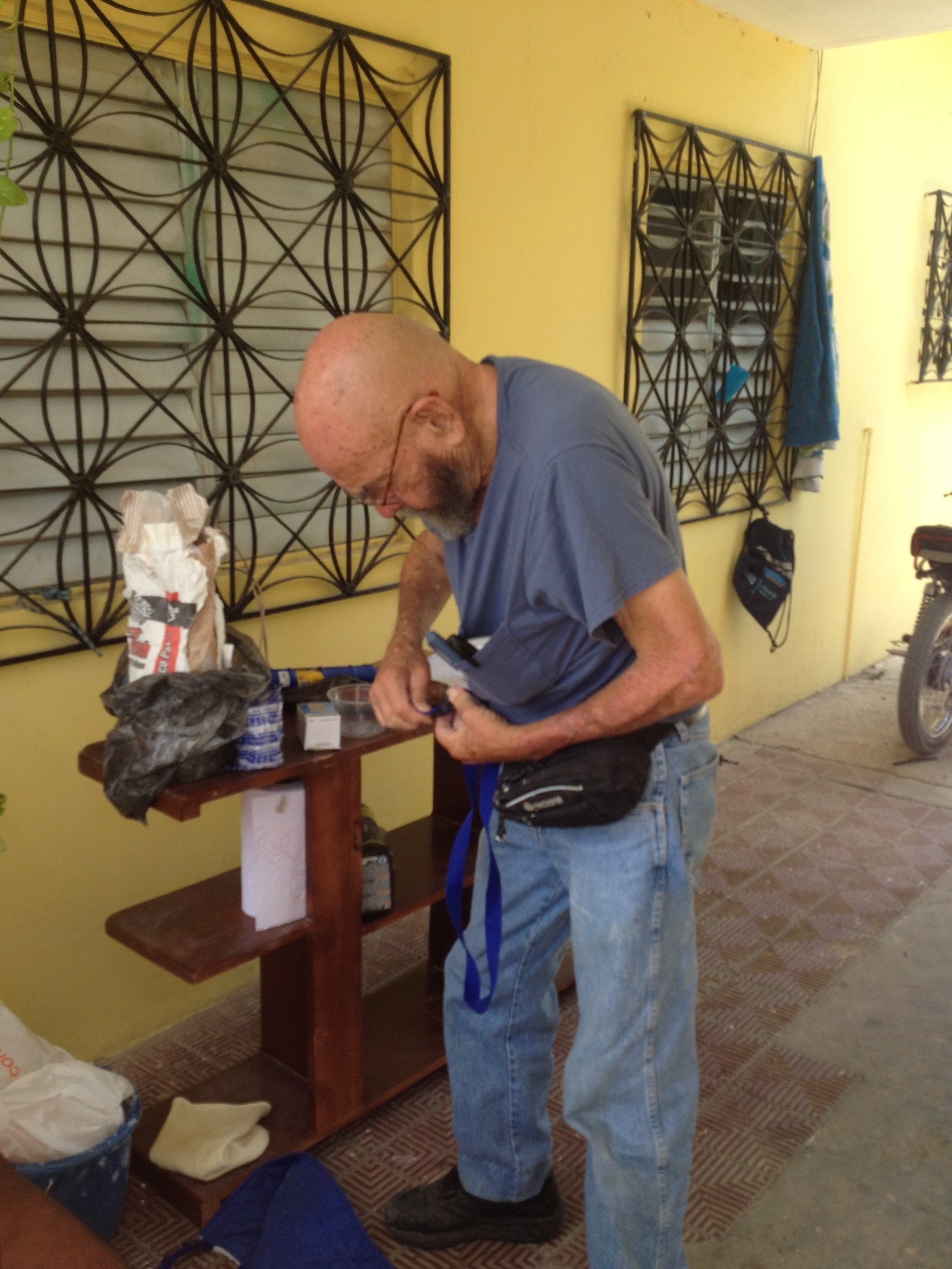
On his first trip to Haiti, his job was to do handyman type work for the Baptist church.  He was to fix broken hinges and rehang doors; he was to do anything that required a hammer and a saw.  As he was working, a man approached with a wooden leg and carrying a piece of wood.  “Can you help me with a new leg?“ the man asked.  Daddy told him he didn’t know anything about that, but the man insisted that with his hammer and saw, Daddy had all the tools he needed.  The next morning Daddy was met by a larger group of amputees, each carrying wood and asking for help.  Webster Marlowe did not know how to say no to anyone who needed help. I’ve known this my entire life.

Donnie taught my dad how to use composites to make the legs and introduced him to a prosthetist in Gainesville who could help train him.  Someone else donated titanium.  Titanium! I introduced him to a prosthetist in Georgia, though I was never crazy about Daddy going to Haiti.  The demand grew and over the next 20 years, Daddy fixed and replaced all kinds of legs. He would get emotional as he talked about people who had worn out their legs, children coming back when they had outgrown their legs, and especially when he talked about how the demand outweighed his ability to supply.

While the Webster Marlowe of Palatka didn’t wear suits to work and didn’t drive the latest cars, he really was the same compassionate and caring man whom I called Daddy.  I’m closer to understanding why he was so drawn to Haiti, but I’m not quite there. What I do know is that my dad was a remarkable individual throughout his life, and maybe that is enough.

Revising my father’s eulogy

I began the eulogy by saying the Webster Marlowe his friends in Palatka knew was not the same man I knew as my father.  I think I truly believed that until last Sunday, before I received a call from Patty.

Sunday started out like any other.  We woke up, showered, and went to choir rehearsal at Christ Church.  It should have felt good but it didn’t.  I didn’t feel right.  I wasn’t happy to be there.  It wasn’t anything particular; I knew the music and I love our choirmaster, but I just felt off.  I got the car keys from my husband and told him I would see him after church.  He was concerned, but I told him I was okay.  I just needed some time.   I needed to be.

I went out to the car and as soon as I opened the door my cell phone rang.  It was a number from Jacksonville, Florida, so I assumed it was Mayo Clinic or something.  Normally I would decline the call, but I hit the button and said hello.  The caller said she found my name when she was searching online for my father, Webster Marlowe.  Patty had been on a trip to Haiti with him and she found my blog post.  She said her plan was to build a hospital in Haiti with Daddy’s name on it.  She said she was honored to have helped him.   She talked of his hard work and his compassion.  The more she talked the harder I cried.  Then she gave me the phone number of another of Daddy’s friends, Donnie.

Donnie opened my eyes.  I knew my dad as an entrepreneur, a business owner, and as a person who was highly creative, but I never connected this with the man who seemed to be obsessed with Haiti. When I heard the story, though, I knew. It clicked.  Daddy was never one to turn down someone in need.  If a problem needed solving, Daddy would figure out how.  My mother reminded me how he once fixed an oil leak on our Cadillac by running a hose from the leak back into the engine.  My dad could fix anything.

On his first trip to Haiti, his job was to do handyman type work for the Baptist church.  He was to fix broken hinges and rehang doors; he was to do anything that required a hammer and a saw.  As he was working, a man approached with a wooden leg and carrying a piece of wood.  “Can you help me with a new leg?“ the man asked.  Daddy told him he didn’t know anything about that, but the man insisted that with his hammer and saw, Daddy had all the tools he needed.  The next morning Daddy was met by a larger group of amputees, each carrying wood and asking for help.  Webster Marlowe did not know how to say no to anyone who needed help. I’ve known this my entire life.


Donnie taught my dad how to use composites to make the legs and introduced him to a prosthetist in Gainesville who could help train him.  Someone else donated titanium.  Titanium! I introduced him to a prosthetist in Georgia, though I was never crazy about Daddy going to Haiti.  The demand grew and over the next 20 years, Daddy fixed and replaced all kinds of legs. He would get emotional as he talked about people who had worn out their legs, children coming back when they had outgrown their legs, and especially when he talked about how the demand outweighed his ability to supply.

While the Webster Marlowe of Palatka didn’t wear suits to work and didn’t drive the latest cars, he really was the same compassionate and caring man whom I called Daddy.  I’m closer to understanding why he was so drawn to Haiti, but I’m not quite there. What I do know is that my dad was a remarkable individual throughout his life, and maybe that is enough.

#MeToo Never Again

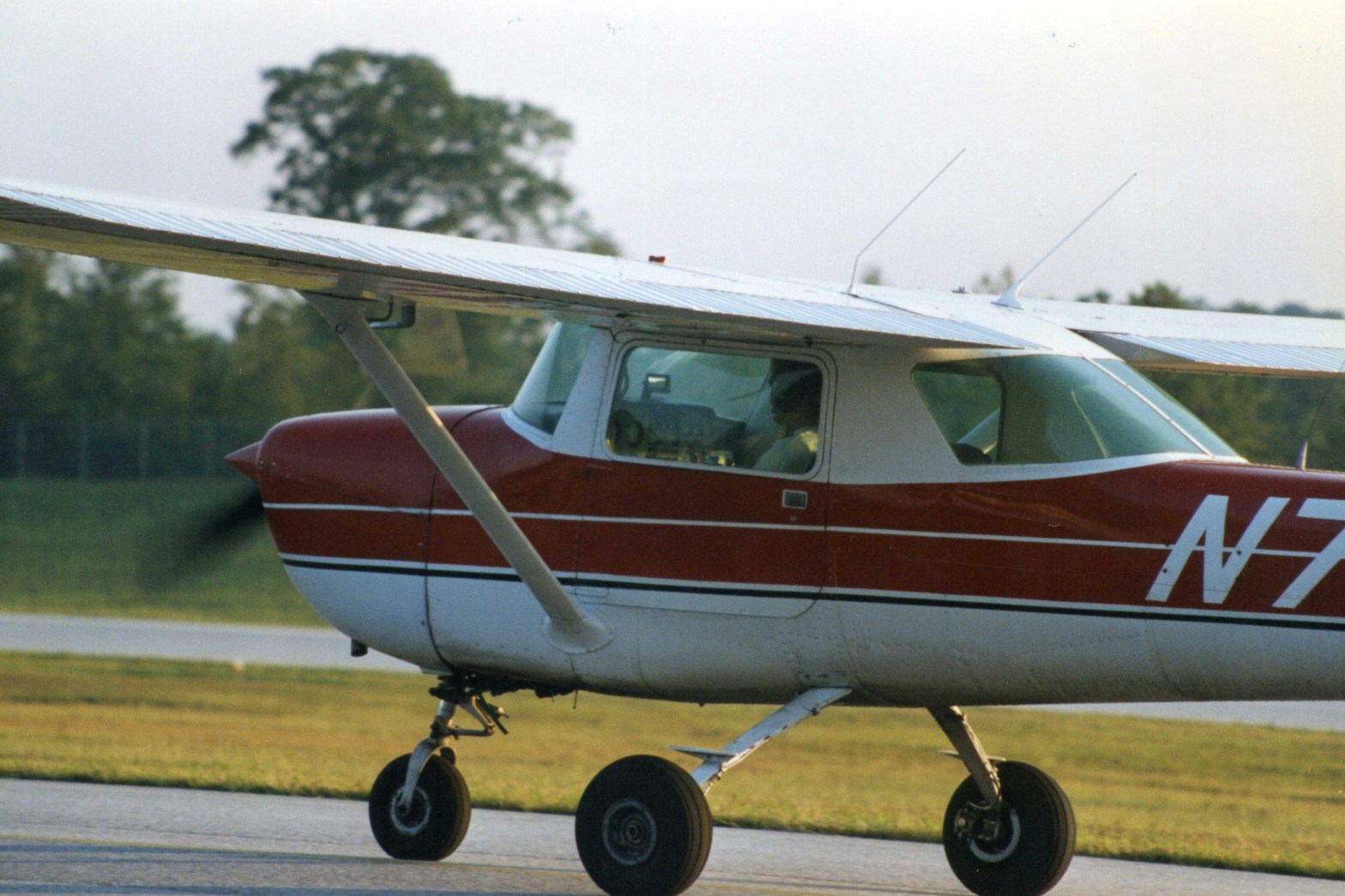
From the beginning of my aviation career, before I even imagined I could have an aviation career, I dealt with unwanted advances.  I’m reluctant to talk too much about it in my blog, because I just don’t want to ruin anyone’s life.  Maybe people have changed.  Maybe I’m just a wimp.  I am definitely going to talk about it in my book, but not here in my blog.

A few weeks ago, we received a death notice from the Delta Air Lines retired pilots network, and the person who died was truly one of the most obnoxious people I’ve ever met.  As I read his obituary, I wondered whether this was the same person whom I banished from my flight school and did everything possible to avoid at Netjets.

Let’s call him Steve.  The first time Steve came into the flight school in 1997, he was wearing a flight suit.  His smile was more like a leer than a friendly greeting and he had dog breath.  “You must know who I am,” he said.  No, I really didn’t, and based on this greeting I didn’t want to know who he was.  “Maybe I can take you out to dinner tonight.”  No, not in this lifetime he wouldn’t.  It wasn’t just his bad breath that was revolting.  It was the lewd and lascivious way he looked at me and how he couldn’t keep his eyes on my face.  I declined and said a silent prayer of thanks when my phone rang.  I ran into my office.

He always found reasons to come into the school.  We had a deli inside the flight school, the only food concession on the field.  We were also required by our lease to have a retail shop for charts and pilots supplies.  Most days I was able to escape either by going flying or taking a phone call in my office.  Eventually, however, our paths crossed and I couldn’t escape.  Everyone else was out flying and I was manning the front desk.  In came Steve.

I’ll leave out the details but I ended up reporting him to an individual at the Airport Authority. I told him what had happened.  This is where I was at an extreme disadvantage.  This individual had greater status than I had and was highly respected.  He was connected with literally everyone.  It would be my word against his and I could potentially lose a large block of business, maybe my lease, and  even my access to the mechanics.  But I wouldn’t compromise.

Soon he disappeared.  I began to relax.  Maybe he had found a new target for his crude behavior. I didn’t give him another thought.  He was gone and I was safe.

Or so I thought.  Three years later I was an airline pilot and was on the ramp at Teterboro.  By now I was accustomed to the bad behavior of a lot of pilots, and there he was in New Jersey.  A character in a Nelson DeMille novel once wrote that the only difference in pilots and pigs is that pigs don’t turn into pilots after two beers.  In Steve’s case, it didn’t even take one.  Right there on the ramp, he greeted me like we were old friends.  I was polite until he grabbed my tie and said, “You need a good man to show you how to tie this thing.”  I slapped his hand away and walked back into the FBO.  I did not report him.  I had learned my lesson.  No one would listen, much less care.  I would be told to toughen up.

All I wanted to do was fly.  I could handle this.

We would periodically cross paths on the road but he was based in Savannah and I was based in Atlanta, so it was infrequent.  “Another empty kitchen” was his favorite line.  Eventually enough flight attendants complained about him and he was let go from the airline.  I didn’t give him another thought until I read his obituary.

Maybe he turned his life around.  Maybe his children are responsible adults.  Maybe he is remembered as a loving husband and a loving father and grandfather.  He was apparently active in his church and in multiple community organizations.  Whatever.  I wish his family the best, but I will breathe a sigh of relief and  gratitude that I will never run into this creep, ever again.

#MeToo No More.